Home › Models
Tourist Train and Tram-Style Vehicle Models
Road width, gradient, narrow passages, long routes, peak hours and seasonal use all determine whether a train or a tram-style vehicle is the right choice. Browse our model families, and we will choose the right one for your project together.
Which model suits you?
Tap the option closest to your need and we will highlight the matching model families.
Model families
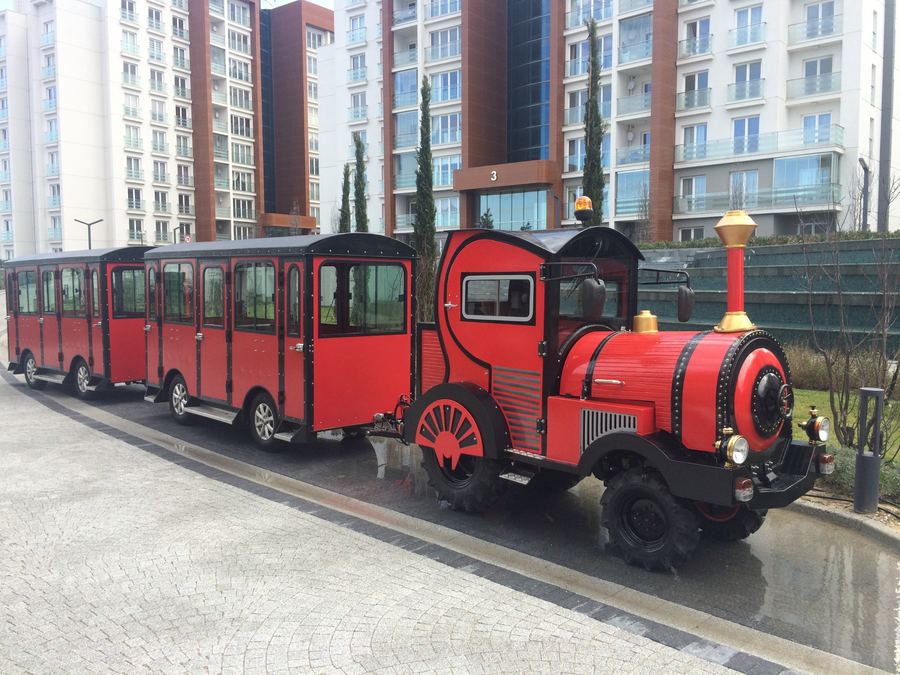
Mini tourist train
A compact model family that brings classic locomotive lines to sightseeing in parks and on-site facilities.
- Up to 64 passengers (4 wagons)
- 8 / 12 / 16-passenger wagons
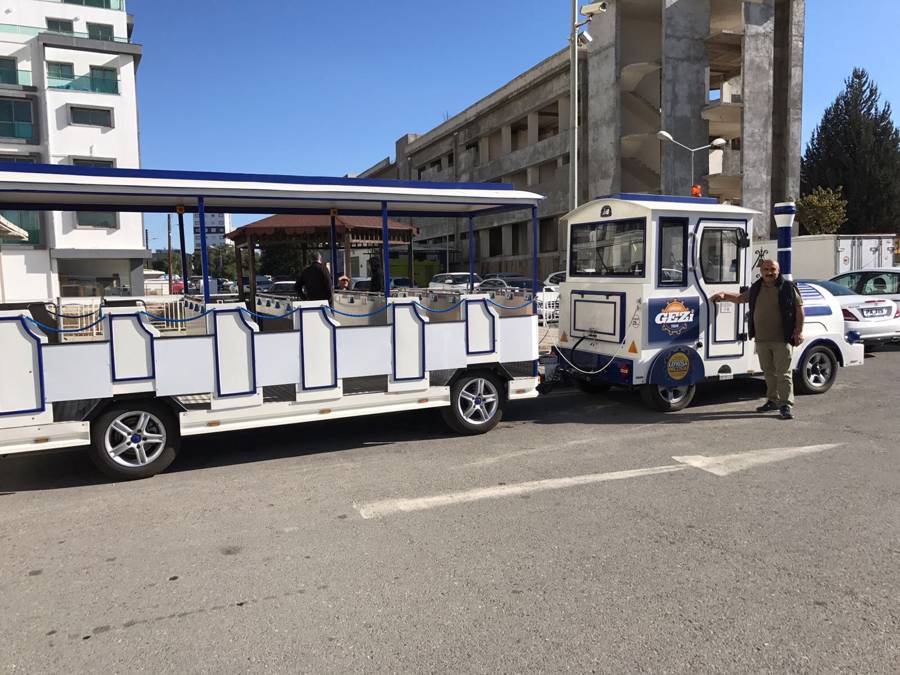
Midi tourist train
A flexible model family for projects that want to plan visitor tours and on-site transport together.
- Up to 112 passengers (4 wagons)
- 20 / 24 / 28-passenger wagons
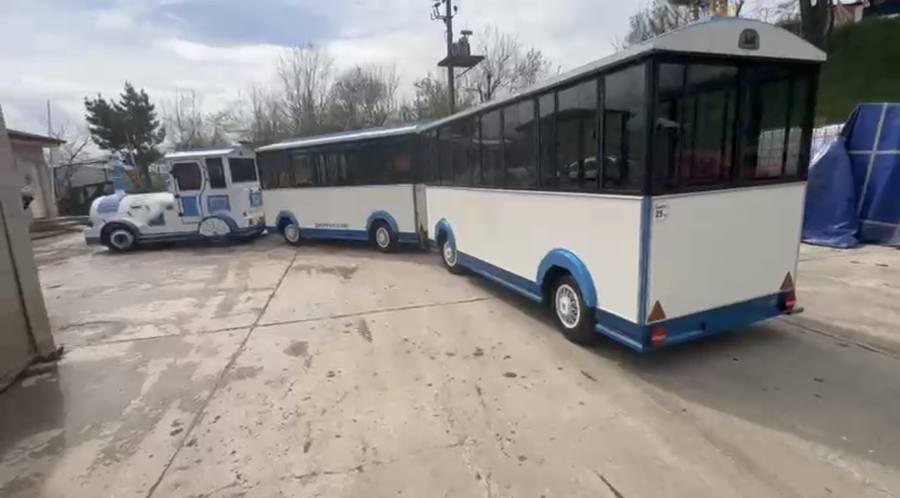
Maxi tourist train
A high-capacity tourist train family that turns heavy visitor flows into a planned journey.
- Up to 128 passengers (4 wagons)
- 20 / 24 / 28 / 32-passenger wagons
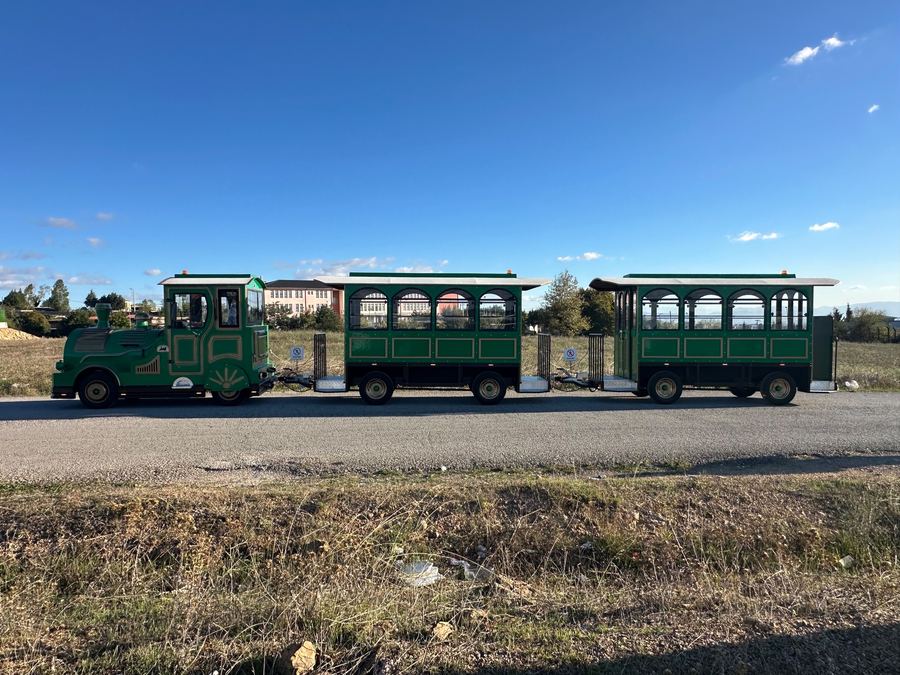
Western Express
New and eco-friendly: a new-generation electric tourist train that combines the spirit of the classic train with a Western-themed design. It runs without exhaust fumes or engine noise. Reference: the in-factory tour vehicle.
- New model
- Eco-friendly electric
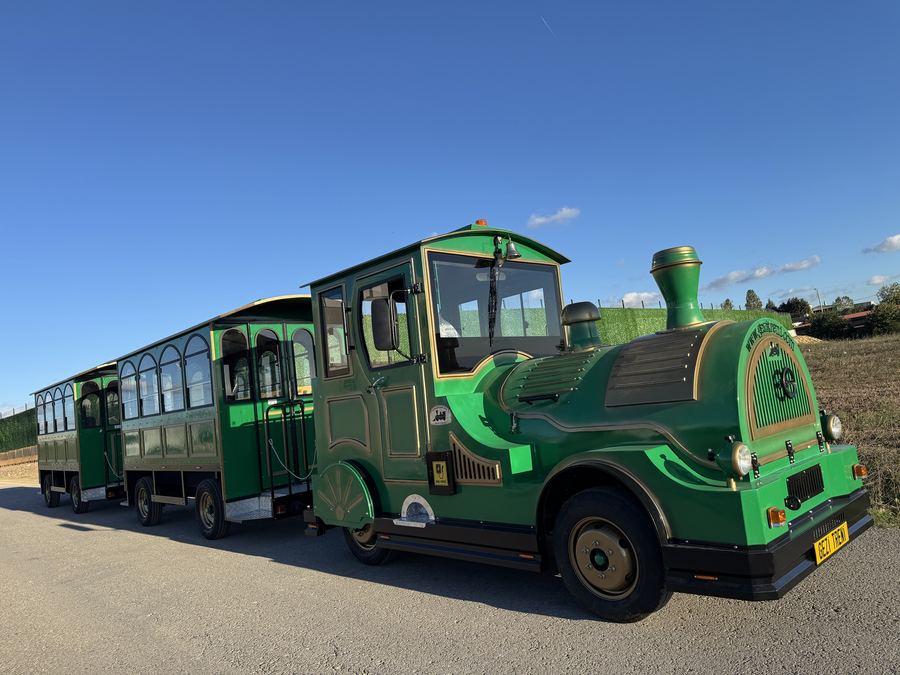
Electric tourist trains
Rubber-tyred electric vehicles for visitor transport in parks, resorts, campuses and large residential areas.
- 10–100 kW motor
- 10–250 kWh lithium-ion battery
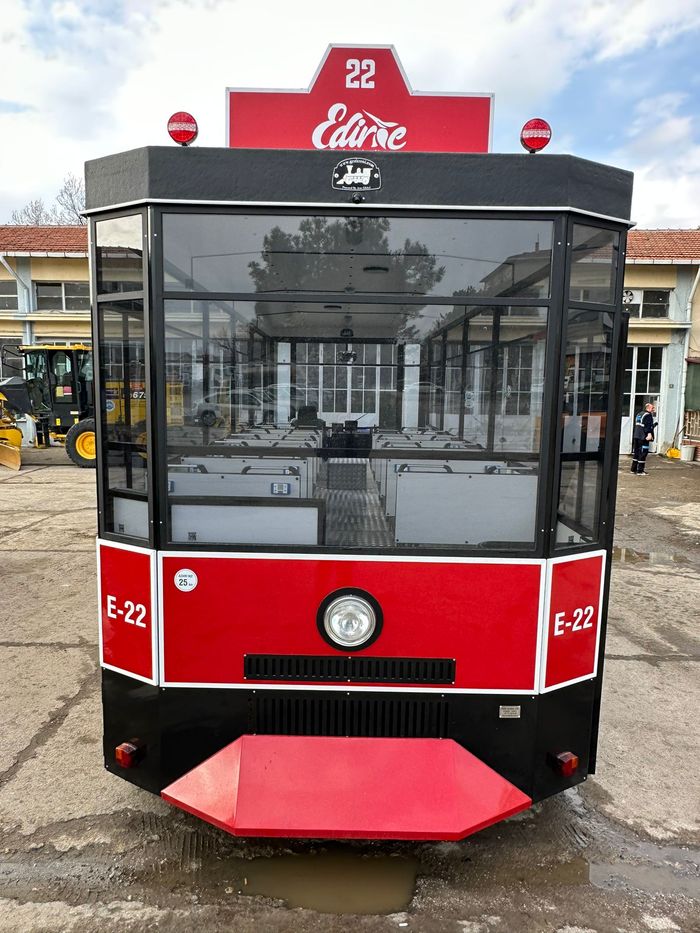
Heritage tram-style vehicles
Models that reinterpret the familiar lines of historic trams in a rubber-tyred vehicle for use on site. They run without rails. Reference: Edirne.
- 24 seated passengers
- Diesel, petrol or electric
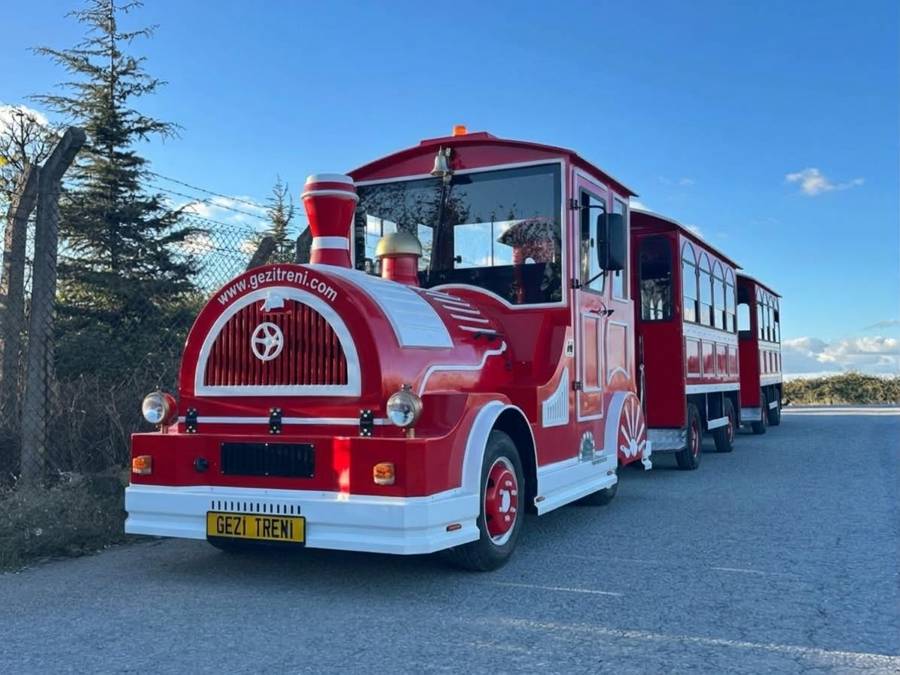
Custom-designed trains
For ideas beyond the standard models: we design the vehicle around the place, the organisation and the way you operate.
Learn more →Compare the models
| Mini | Midi | Maxi | |
|---|---|---|---|
| Wagon options | 8 / 12 / 16 passengers | 20 / 24 / 28 passengers | 20 / 24 / 28 / 32 passengers |
| Engine | 18–28 hp petrol or diesel, or electric | Diesel 80–116 hp, petrol, or electric | Diesel 160–185 hp, petrol, or electric |
| Drive | 4×2 and 4×4 | 4×2 and 4×4 | 4×2 and 4×4 |
| Total capacity | Up to 64 passengers | Up to 112 passengers (4 wagons) | Up to 128 passengers (4 wagons) |
| Gradient | 5%; up to 20% with optional air brakes | 5%; up to 20% with optional air brakes | Up to 20% |
| Maximum speed | 25 km/h (all models) | ||
| Electric option | Available on Mini, Midi and Maxi; 10–100 kW motor (e.g. 40, 60, 100 kW), 10–250 kWh lithium-ion battery, 2-year battery warranty | ||
| Delivery time | 4–6 months (earlier is possible depending on the project and stock) | ||
| Price | Quoted per project | ||
Technical options and dimensions
Power system options
We choose the power of the tourist train to suit how you will use it: electric, diesel or petrol. The electric option comes first because it is quiet, free of exhaust fumes and eco-friendly.
4×4 option
Standard production is 4×2. A 4×4 drive option is offered on all models, electric ones included, according to the needs of the project and the request. Ground, gradient and operating conditions are defined together at the quotation stage.
Electric
Motor options from 10 to 100 kW and 10–250 kWh lithium-ion batteries, available on the Mini, Midi, Maxi and Western Express. Electric models carry a 2-year battery warranty.
Diesel
Suited to long routes and heavy use. By model there are 18–28 hp options on the Mini, 80–116 hp on the Midi and 160–185 hp on the Maxi; a Euro 6 engine option is also available.
Petrol
One of the options on the Mini. On models such as the Western Express, petrol versions are also considered on request.
Dimensions: length and width
The total train length (including the drawbar distance) starts at 10 metres and, depending on the project, passenger capacity and route, can be built up to 23 metres. In many EU countries the permitted total train length on public roads is generally around 18.75 metres; limits vary by country and vehicle class. In special projects, even longer trains beyond these standard dimensions can be reached. Vehicle width is between 1.20 m and 2.55 m; in special projects it can go up to 3 m. Your narrow passages, turning angles and path width are considered from the start.
Which should I choose?
The gradient, daily operating time, charging possibilities and running costs are weighed together. That is why the quote form asks for the gradient, passenger capacity and engine type; with these three details we can quote much faster.

Colour and wagon configurator
Pick your colours and preview the model and wagon layout.