Home › Applications › Heritage and archaeological sites
Visitor Transport Vehicles for Archaeological and Heritage Sites
At archaeological sites, ancient cities, palace gardens and open-air museums, plan the journey from the visitor centre to the start of the visit around the conditions of the site.
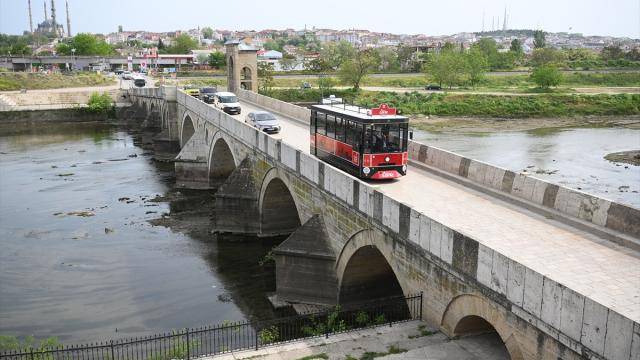
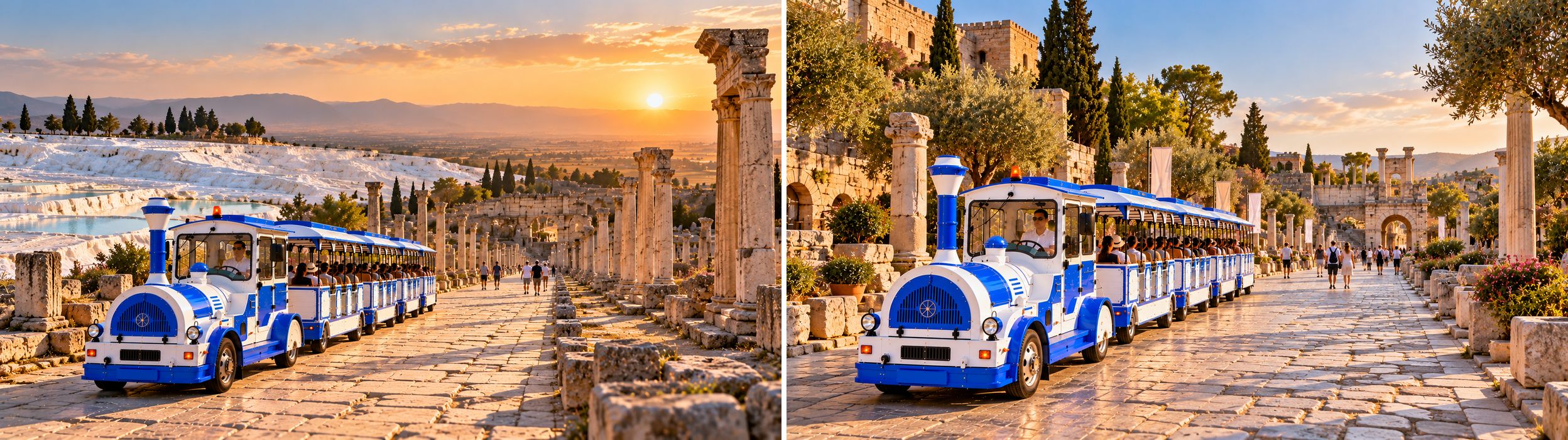
The site comes first
Existing paths, sensitive surfaces, turning areas, stop locations and the rules of the site authority are examined together. Using a vehicle must be compatible with protecting the site.
Keep the tour commentary and the transfer separate
At some sites the vehicle only carries visitors from the entrance to the start of the visit; at others it is part of a permitted sightseeing route with stops. Guide commentary and a multilingual audio system are assessed according to the scope of the project.
Climate and passenger profile
Sun-exposed routes, heat and dust affect shaded passenger areas, boarding arrangements and the charging plan. Accessible boarding also has to cover the ground at the stops.
Not only transport, but for viewing and touring
At heritage and archaeological sites, a tourist train is not only a way to get from the entrance to the start of the visit; it is also used to take in and discover the site. At places with high scenic value, such as ancient cities, palace gardens, open-air museums and the surroundings of castles, the ride becomes part of the visit, and visitors who find walking difficult can see the site too.
Viewpoints and commentary
Viewpoints and photo stops can be included in the route. A GPS-triggered multilingual commentary option is assessed within the project scope, so visitors hear the story of the site in their own language.
Quiet and eco-friendly running
In sensitive sites, the electric model runs quietly and produces no exhaust fumes. The new Western Express is also a suitable eco-friendly choice, and heritage tram-style vehicles can be considered for a look closer to the historic atmosphere.
What do we need for a quotation?
The site plan or approximate route length, the type of ground, the steepest gradient, the number of stops and viewpoints, the number of passengers to carry at once, the engine type you want (electric, diesel or petrol), where the train can be charged, the number of commentary languages and the permit status with the site management. With this information we can quote much faster.
Frequently asked questions
What is checked on routes with a stone surface?
The load-bearing capacity of the ground, protection of the surface, turning radius and the permits of the site authority.
How is multilingual commentary planned?
The number of languages and the audio system are settled at the quotation stage, according to the equipment chosen and the scope of the project.
Can it be used only for a viewing and sightseeing tour?
Yes. A transfer from the entrance to the start of the visit, a sightseeing tour with permitted stops, or a combination of the two can be planned.
Is it quiet at historic sites?
The electric model runs quietly and produces no exhaust fumes, so it stands out in sensitive sites.
Is permission needed from the site management?
Usually the permission of the site management and the relevant institutions is required. The suitability of the route and vehicle is confirmed together with the site management.